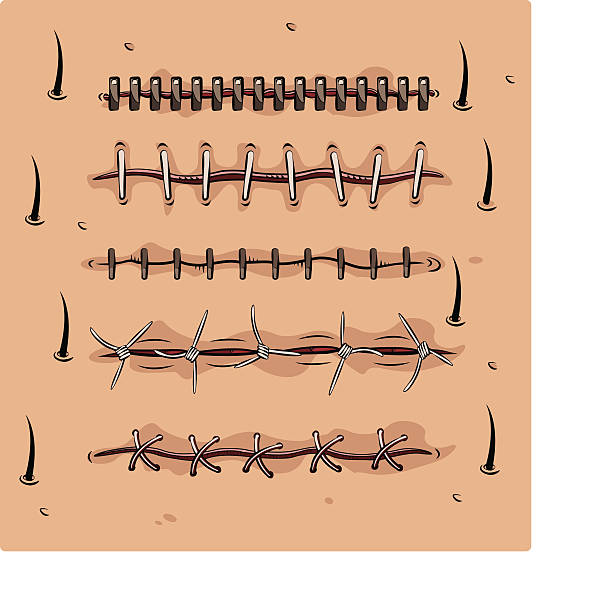
Soft tissue surgical instruments are specialized tools used by surgeons when operating on non-skeletal tissues such as skin, muscle, fat, blood vessels, and internal organs. Given that soft tissues are fragile, highly vascular, and prone to damage, the design of these instruments focuses on precision, hemostatic capability, and the minimization of tissue trauma. The following sections outline the key classifications, technological evolution, and clinical application guidelines for soft tissue surgical instruments. I. Classification of Key Soft Tissue Instruments: Soft tissue instruments are typically categorized based on their surgical functions,
Mainly categorized into the following four groups:
┌── Dissection and Incision (dissecting scissors, scalpels)
├── Grasping and Exposure (tissue forceps, hemostats, needle holders)
Soft tissue instruments ──┤
├── Hemostasis and Closure (sutures/needles, ligating clips, staplers)
└── Minimally Invasive and Energy-based (ultrasonic scalpels, electrosurgical units)
1. Dissecting & Cutting Instruments: Used for the precise incision and separation of tissues, aiming for clean incision edges. Scalpels: No. 10 and No. 15 blades are most commonly used for skin and soft tissue incisions. Metzenbaum Scissors: Commonly known as "tissue scissors"; featuring thin blades and blunt tips, they are designed specifically for dissecting and cutting delicate soft tissues and must never be used to cut dressings or sutures. Mayo Scissors: Sturdier in construction, used for cutting thicker fascia, tendons, or ligatures.
Your inquiry cart is empty.
Add products you're interested in to request a quote.